Choosing who to sell to
Build B2B Customer Segmentation Around the Buying Decision
Four steps turn a pile of won and lost deals into segments that each get their own offer, and a silicones maker shows what one of those offers looked like.
By Ines Calloway · November 10, 2026 · 6 min read
Useful B2B customer segmentation groups companies by the decision they make: what sends them looking for a supplier, and what they weigh when they choose one. Industry and company size come second, as the way to find more companies in each group.
Most guides on the subject come from companies that sell data and targeting tools. They cut the market by the fields those tools carry: industry, headcount, tech stack and intent signals.
Those fields tell you which companies you can reach. Which of them will pick you, and why, is a separate question the fields can't answer.
Rivals can buy the same fields. So they end up with the same segments and aim the same campaigns at them. Segmentation shrinks into a targeting list.
Daniel Yankelovich and David Meer saw the drift in 2006. Writing in Harvard Business Review on rediscovering market segmentation, they said segmentation "has become narrowly focused on the needs of advertising." Its real purpose, they argued, is "discovering customers whose behavior can be changed or whose needs are not being met."
Four steps follow: the buying decision first, company data at the end.
Lost deals show the buyers your segments are missing
Pull your recent won and lost deals. For each one, write down two things in the buyer's own words: what set off the search, and what decided it.
The losses matter as much as the wins. A segmentation built only from current customers describes the customers you already have, and that list is mostly a record of who you happened to sell to in the past. The deals you lost show who you should be winning and what it would take.
Say a firm sells contract maintenance to factories. A made-up won deal might read, trigger: "Our old provider kept missing call-outs and the line stopped while we waited." Deciding reason: "Their engineer had worked on our exact machines."
A made-up lost deal might read, trigger: "Finance told us to cut maintenance spend." Deciding reason: "The other bid was cheaper and we didn't need the extras."
Getting those answers means talking to buyers after the decision. The steps for running win-loss interviews have their own post.
A deal's trigger and deciding reason define its segment
Lay the deals side by side and sort them by what started the search and what settled it. Keep industry, company size and the other firmographics off the table for now. If they go in early, the groups drift back toward the segments you already run.
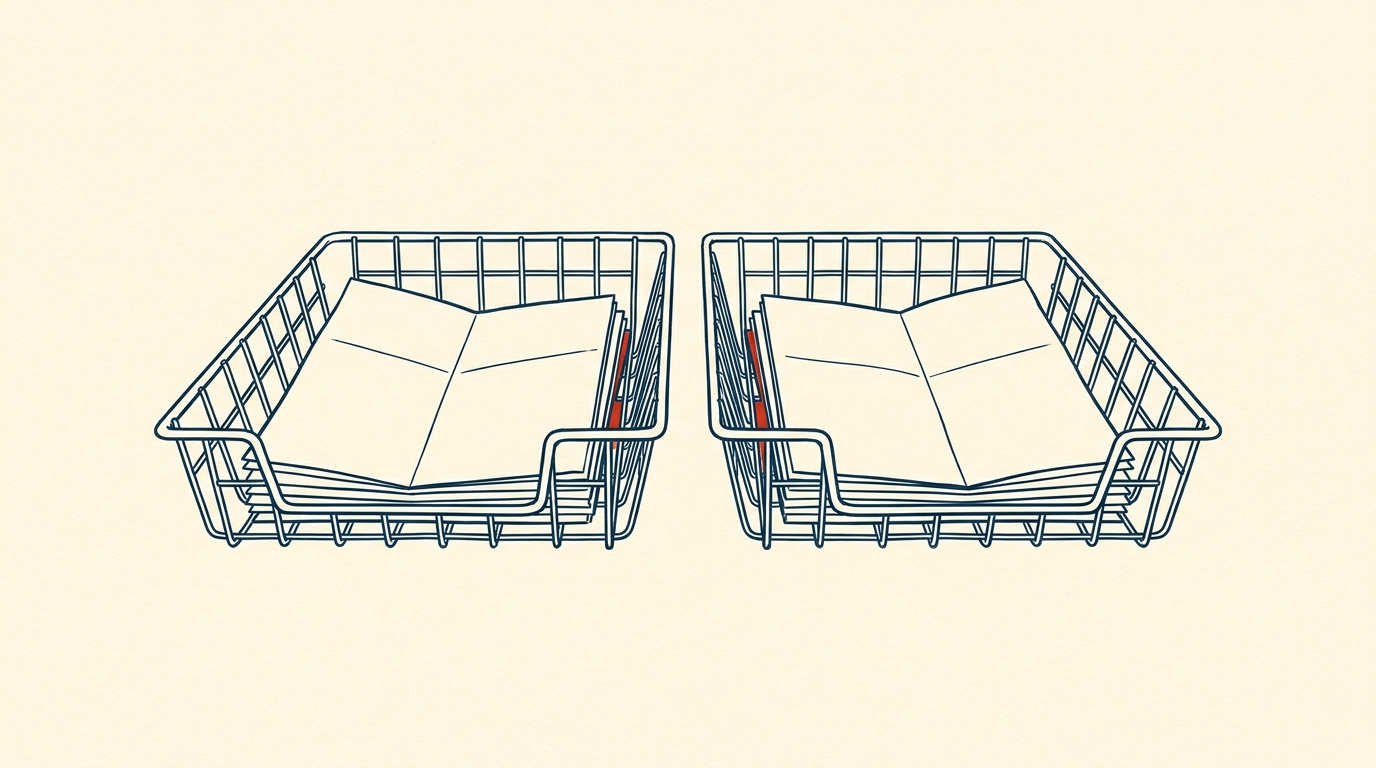
In the made-up maintenance firm, the buyers who called after a breakdown and chose on expertise form one group. The buyers who came to cut costs and chose on price form another.
Each group might hold a food plant and a metal shop.
Most B2B segmentation examples you'll find list industries and company sizes. Dow Corning, a silicones maker, grouped a real customer base by how it bought, and the groups cut across the market segments it already used.
The account comes from the company and the trade press, and its results are self-reported and unaudited. A 2011 Chief Executive feature on Dow Corning reports that its segmentation study found "regardless of the market segment, customers existed within four segments," ranging from "innovation seekers" to "price seekers."
The price seekers "knew what products they needed, how to use them, but didn't need all the high value services." That split is what Dow Corning found among its customers. Another market may sort along different lines, which is why the sorting starts from your own deals.
Company data comes back in to find each group
Once the groups exist, check which firmographic or buying-behaviour signals turn up in each one. In the maintenance example, the cost-cutting buyers might cluster among companies that buy through formal tenders. Where a signal like that predicts a group, it tells you where to look for more of them.
Some groups have no signal. Then the buyers can sort themselves, through an offer or a channel built for them.
Dow Corning took the offer route. According to IndustryWeek's 2008 report on Xiameter, it "started a Web-based offering called Xiameter in 2002," designed with experienced "price-seeker" customers in mind. Shelley Bausch, executive director for Xiameter, put the starting point plainly: "We sensed that there was a group of customers that already knew what they needed."
A segment that gets the same pitch as another is the same segment
Keep a segment only if it changes what you sell or what you say. If two groups would get identical offers and identical messages, merge them.
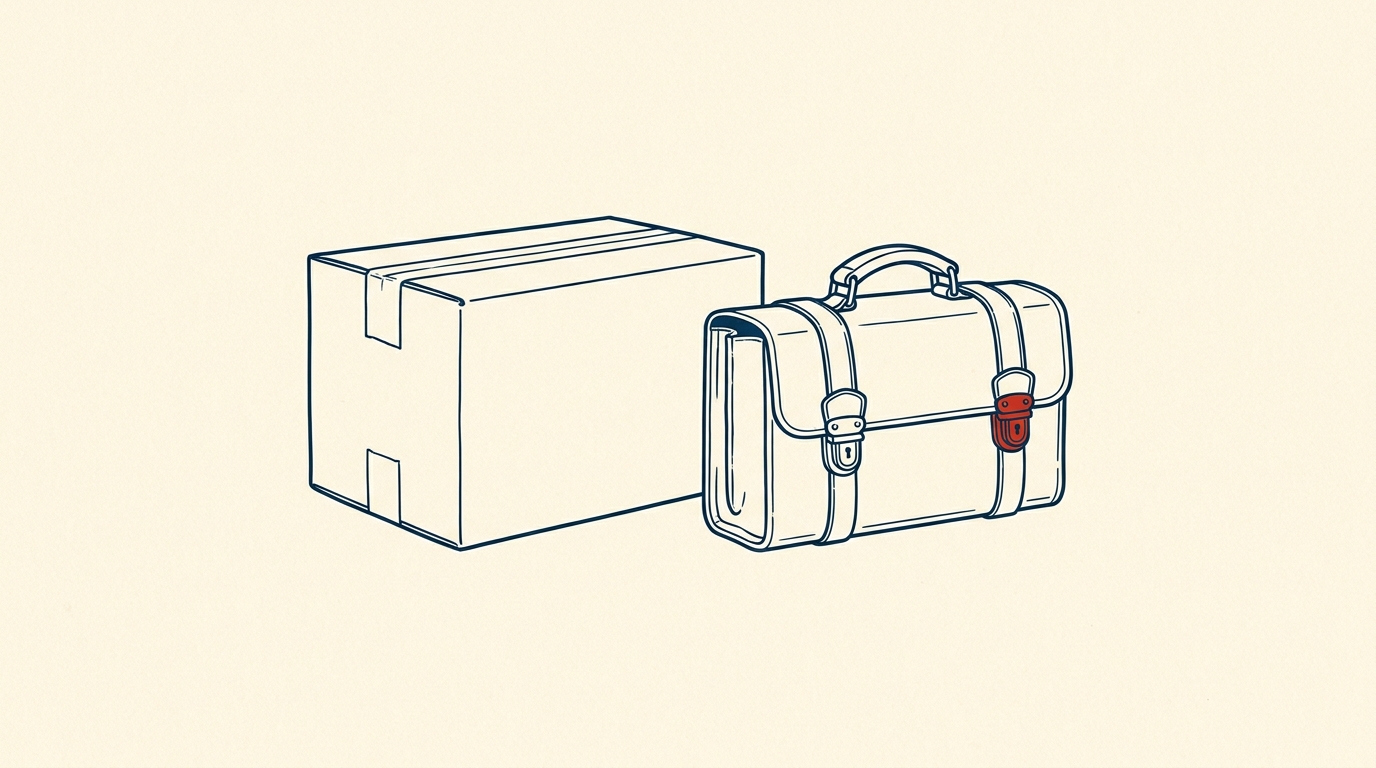
In the made-up maintenance firm, the breakdown group would get a guaranteed call-out time and engineers who know its machines. The cost-cutting group would get a fixed-price contract with scheduled visits only. Those are two different offers, so both groups stay.
Dow Corning's split passed that test. Then-CEO Stephanie Burns told McKinsey in a 2011 interview on innovation in chemicals: "We couldn't treat those more price-sensitive and innovation-insensitive customers the same as our specialty customers." So "we separated our product offering into two brands: the Xiameter brand and the Dow Corning brand."
Xiameter sold online only and came without technical service. IndustryWeek reports the Xiameter setup "eliminates most sales, service and transaction costs" and let customers lock in a price for "a period of 90 days."
This test is what makes segmentation a strategy. In a customer segmentation B2B strategy that works, each group is offered something different: the product, the price, the service level or the way to buy. Dow Corning's two brands are one example.
Firmographic lists solve reach and leave fit open
You can buy a list of mid-market manufacturers. Nobody sells a list of price seekers.
A segment you can't reach is useless, and the third step, finding the signals that predict each group, exists for that reason.
But reaching a company and being the supplier it picks are two different problems. Dow Corning's price seekers turned up across the market segments it already used, so those segments couldn't isolate them.
Dow Corning reached them by giving them their own offer. Chief Executive reports on the Xiameter results that "a majority of the new business was driven from new customers" and that Dow Corning "earned back its investment in just three months."
Choose the group, then the people inside it
These steps split a market into groups of companies. Deciding which group to go after first is a separate choice, and choosing a target market has its own post.
Once you've chosen the group, work out who inside those companies the marketing has to reach. It's usually more than one person, and the post on B2B buyer personas covers how.
If you'd like to talk through what grouping by the decision would change for your brand, get in touch with us.
Dow Corning found its price seekers inside its own customer base, among buyers it had been treating the same as its specialty customers. Your won and lost deals are the first place to look for a group like that.
Frequently asked questions
- What is the best way to approach customer segmentation in B2B?
- Group companies by the buying decision: what sends them looking for a supplier, and what they weigh when they choose one. Industry and company size come second, as the way to find more companies in each group.
- Why shouldn't B2B segmentation start with industry and company size?
- Fields such as industry, headcount and tech stack show which companies you can reach, but they can't tell you which of them will pick you or why. Rivals can buy the same fields, so they end up with the same segments and aim the same campaigns at them.
- Why include lost deals when building B2B segments?
- A segmentation built only from current customers describes the customers you already have. The deals you lost show who you should be winning and what it would take.
- What is a real example of B2B segmentation by buying behaviour?
- Dow Corning, a silicones maker, found that regardless of the market segment, its customers fell into four groups ranging from innovation seekers to price seekers. In 2002 it started Xiameter, a web-based offering for the price seekers, with online ordering and no technical service. The account comes from the company and the trade press, and its results are self-reported and unaudited.
- How do you know when two B2B segments should be merged?
- Keep a segment only if it changes what you sell or what you say. If two groups would get identical offers and identical messages, merge them.
Sources
- Rediscovering Market Segmentation — Harvard Business Review, February 2006
- How Dow Corning Beat Commoditization By Embracing It — Chief Executive, June 2011
- Straight to the Source — IndustryWeek, October 2008
- Innovation in chemicals: An interview with Dow Corning's CEO and CTO — McKinsey & Company, May 2011